
Why Kecak Fire Dance Is One of Bali’s Most Unique Cultural Performances
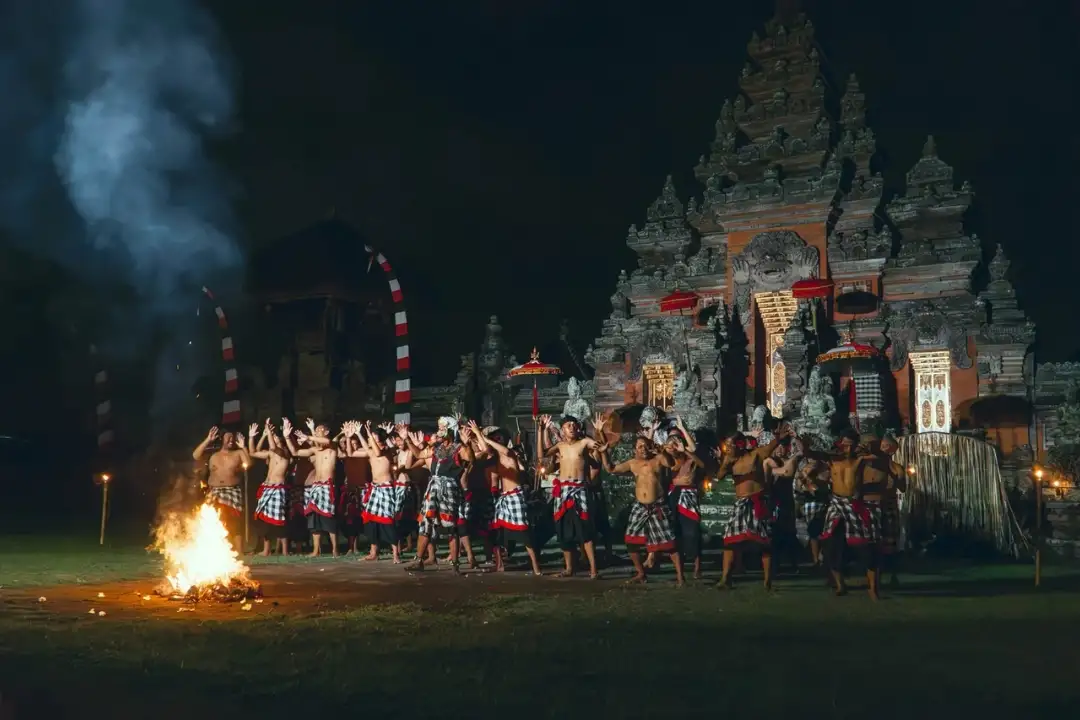
When people think about Bali, images of beautiful beaches, lush rice terraces, and stunning sunsets often come to mind. Yet beyond its natural beauty, Bali is also known for its rich cultural heritage that continues to thrive in everyday life. Among the many traditional performances found across the island, the Kecak Fire Dance Bali experience stands out as one of the most powerful and unforgettable.
Every evening, thousands of visitors gather across Bali to witness the rhythmic chanting, dramatic storytelling, and mesmerizing fire scenes that have made Kecak famous worldwide. Unlike many traditional performances that rely on musical instruments, Kecak creates its magic through the collective voices of performers, making it unlike any other dance in Bali.
But what exactly makes this performance so unique? Why has it become one of the island’s most celebrated cultural attractions?
Let's explore the history, meaning, and unforgettable experience behind Bali’s iconic fire dance.
What Is Kecak Fire Dance?
The Kecak Dance is one of the most recognizable forms of traditional dance Bali offers. It combines vocal chanting, theatrical storytelling, and expressive movement into a captivating cultural performance.
What makes Kecak immediately distinctive is the absence of traditional musical accompaniment. Instead of a gamelan orchestra, dozens of male performers sit in a circle and create rhythm using synchronized vocal chants.
As the performance begins, the repeated sounds of "cak... cak... cak..." fill the air, creating a hypnotic atmosphere that draws the audience into the story.
This vocal orchestra forms the heart of every kecak dance performance, creating a soundscape that is both energetic and deeply immersive.
The Origins of Kecak Dance
The roots of Kecak can be traced back to an ancient Balinese ritual known as Sanghyang.
Sanghyang was traditionally performed as a sacred trance ceremony intended to communicate with spiritual forces and protect villages from misfortune. During these rituals, participants entered trance states while groups of men surrounded them with repetitive chanting.
In the early twentieth century, elements of the Sanghyang ritual were adapted into a theatrical performance that could be shared with wider audiences while preserving its spiritual atmosphere.
Over time, the performance evolved into the Kecak Dance that visitors know today. While it has become a popular cultural attraction, it still retains many elements of its ceremonial origins, especially the powerful vocal chanting and communal energy.
The Ramayana Story Behind the Performance
Most modern Kecak performances are based on the Ramayana, one of the most important epics in Hindu tradition.
The story follows Prince Rama, his wife Sita, the loyal monkey warrior Hanuman, and their battle against the evil king Ravana.
Throughout the performance, audiences witness scenes of:
- Love and loyalty
- Courage and sacrifice
- The battle between good and evil
- The triumph of righteousness
Even for visitors unfamiliar with the Ramayana, the story is easy to follow thanks to expressive costumes, dramatic movements, and powerful visual storytelling.
The combination of narrative and chanting transforms the performance into a living representation of Balinese culture and spirituality.
Why There Are No Musical Instruments
One of the most fascinating aspects of kecak fire dance bali is that there are no traditional instruments used during the performance.
Instead, the music comes entirely from human voices.
Dozens of performers sit in concentric circles and chant rhythmic patterns that constantly shift in intensity. Some voices provide the base rhythm while others add accents, echoes, and dramatic vocal effects.
The result is a dynamic sound experience that feels almost orchestral despite being created entirely by people.
This unique feature is one of the reasons Kecak stands apart from other forms of traditional dance Bali.
Visitors often describe the chanting as hypnotic, emotional, and surprisingly powerful.
The Meaning Behind the Fire Dance
While the chanting forms the foundation of Kecak, the fire dance segment is often the moment audiences remember most.
As the Ramayana story reaches its climax, flames and glowing embers become part of the performance.
In Balinese culture, fire carries deep symbolic meaning.
It often represents:
- Purification
- Spiritual strength
- Protection from negative forces
- Transformation
The fire scenes add intensity and visual drama while also reflecting important cultural and spiritual values.
When performed in a temple setting, the combination of chanting, storytelling, and fire creates an atmosphere that feels both theatrical and sacred.
Why Kecak Is Different from Other Balinese Dances
Bali is home to many traditional dances, including Legong, Barong, and Topeng.
Each dance has its own style, costumes, and historical significance.
However, Kecak differs in several important ways.
Collective Performance
Rather than focusing on individual dancers, Kecak relies on the power of a large group working together through synchronized chanting.
No Gamelan Orchestra
Most Balinese dances are accompanied by traditional instruments. Kecak uses only human voices.
Interactive Energy
The circular arrangement creates a sense of connection between performers and audience members.
Dramatic Fire Element
The fire finale adds excitement and emotional impact rarely found in other traditional performances.
These elements combine to create a truly unique cultural experience.
Why Watching Kecak in a Temple Feels Special
Location plays an important role in the overall experience.
While Kecak can be performed in various venues, watching it inside a traditional temple courtyard offers a deeper sense of authenticity.
At Puseh Temple Batubulan, visitors experience the performance in a setting that remains closely connected to local community life and Balinese spirituality.
The temple environment enhances the atmosphere in several ways:
- Sacred architecture surrounds the performance area
- Traditional ceremonies still take place within the temple
- Local villagers actively participate as performers
- The chanting echoes through the open courtyard
This creates a feeling that is difficult to replicate in commercial venues.
For many visitors, the temple setting becomes just as memorable as the performance itself.
Why International Visitors Love Kecak Fire Dance
Every year, travelers from around the world include Kecak on their Bali itinerary.
There are several reasons why the performance continues to attract global audiences.
Easy to Enjoy
The story can be understood even without speaking Indonesian.
Visually Spectacular
The combination of costumes, fire, and movement creates stunning scenes.
Deeply Cultural
Visitors gain insight into Balinese traditions, beliefs, and artistic heritage.
Suitable for All Ages
Families, couples, solo travelers, and groups can all enjoy the performance.
Whether you are interested in culture, photography, history, or simply unique travel experiences, Kecak offers something memorable.
Experience Batubulan Kecak Fire Dance
For travelers looking to experience an authentic batubulan kecak fire dance, Puseh Temple Batubulan offers an unforgettable setting.
Located just minutes from Ubud, the temple hosts daily performances featuring local performers, traditional storytelling, and the iconic fire finale.
Watching Kecak here is more than simply attending a show. It is an opportunity to witness a living tradition that continues to connect generations of Balinese people through art, community, and spirituality.
The popularity of kecak fire dance bali goes far beyond its dramatic fire scenes and rhythmic chanting.
Its uniqueness lies in the combination of ancient traditions, collective performance, spiritual symbolism, and cultural storytelling. From the powerful vocal orchestra to the epic Ramayana narrative, every element contributes to an experience unlike any other cultural performance in Bali.
For visitors seeking a deeper understanding of Balinese culture, Kecak is not just something to watch. It is something to feel.
And when experienced in a sacred setting such as Puseh Temple Batubulan, it becomes one of the most memorable evenings you can have in Bali.


