
A Different Way to Remember Your Bali Trip
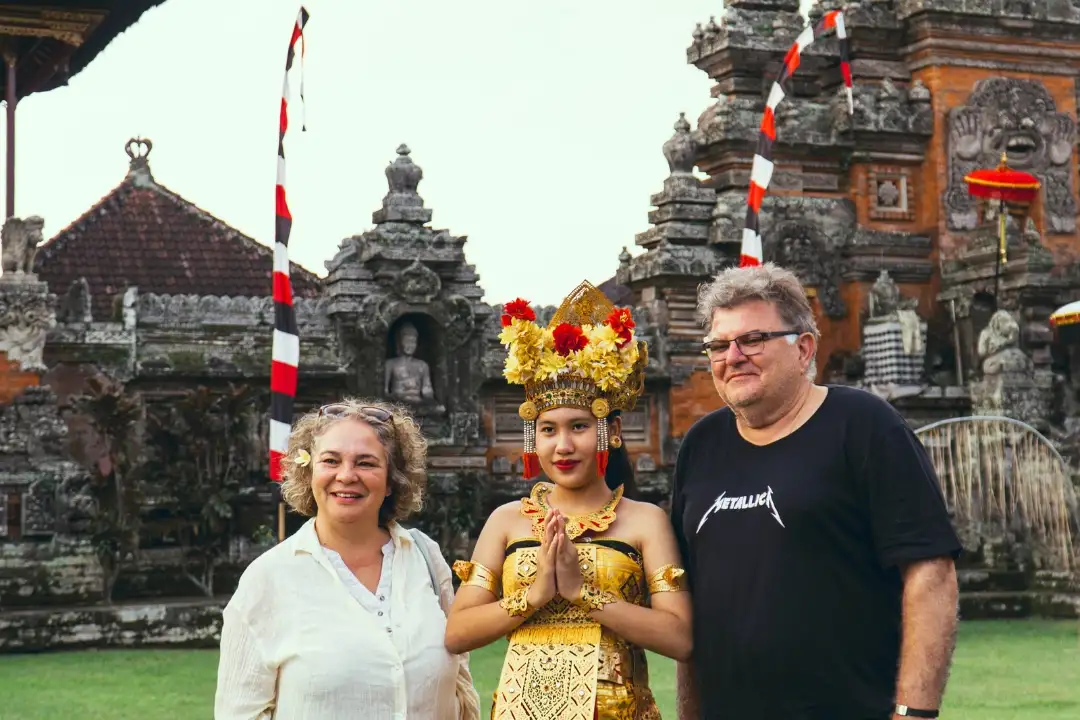
Most Bali trips are remembered through photographs.
A sunrise above the mountains. A green rice terrace. A temple gate. A beach at sunset. A carefully arranged table in a café.
These images help preserve the places you visited, but the strongest travel memories are not always created by scenery alone.
Sometimes, what remains most clearly is a sound.
A circle of voices rising together inside a classic temple. The changing rhythm of Kecak. The movement of Ramayana characters. The moment fire enters the night. The deeper atmosphere created by Sang Hyang Jaran.
At Puseh Temple Batubulan, travelers can experience a different way to remember Bali.
Instead of collecting another photograph of a destination, visitors enter a cultural evening shaped by temple ambience, story, sacred rhythm, fire, and living Balinese tradition.
For anyone looking for a more meaningful Bali cultural experience, this is a night remembered not only through what you see, but also through what you feel.
Beautiful Places Are Only One Part of the Journey
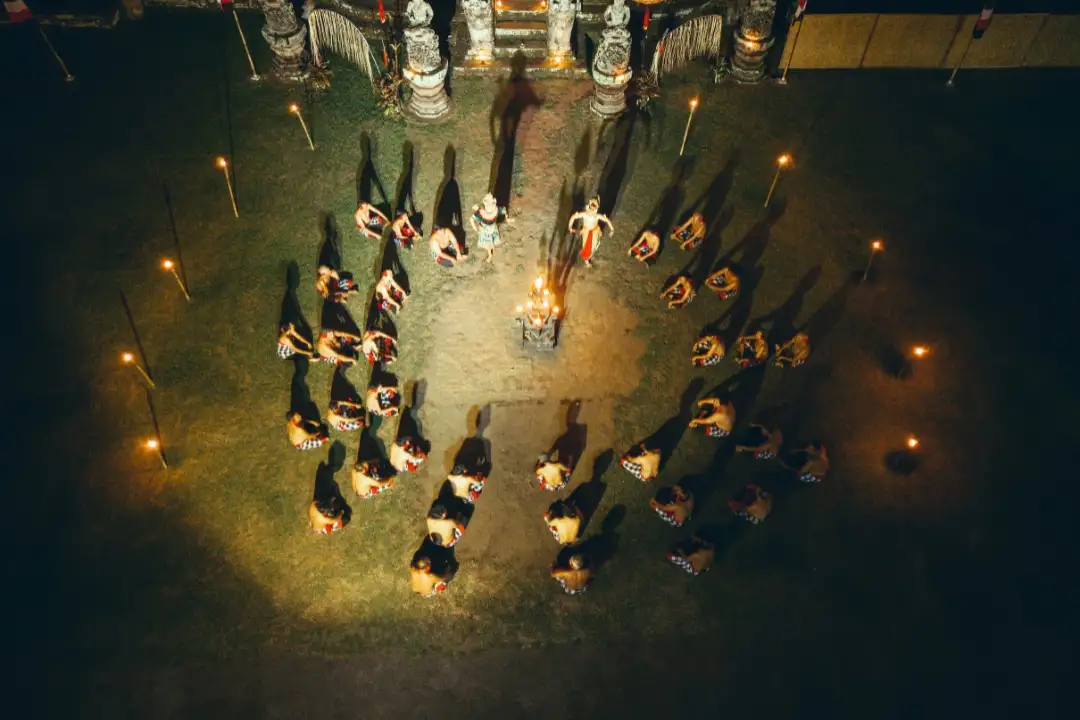
Bali offers countless places worth visiting.
Its beaches, waterfalls, rice fields, temples, and mountain landscapes deserve to be explored. They form an important part of the island’s identity and give travelers many unforgettable views.
However, a meaningful Bali trip should not be built only around places.
Bali also lives through ceremony, art, community, storytelling, sacred spaces, and traditional performance. These cultural elements reveal a side of the island that cannot always be understood through a photograph.
A temple is more than architecture.
A traditional story is more than something inherited from the past.
A performance is more than entertainment.
Together, they show how Bali’s culture remains present through the people who continue to perform, protect, and share it.
Experiencing this living culture gives a trip emotional depth. It allows travelers to remember not only where they went, but also what they encountered there.
The Memory Begins With the Temple Atmosphere
At Puseh Temple Batubulan, the cultural experience begins before the performance.
Visitors arrive within the atmosphere of a classic Balinese temple. Traditional gates, carved stone, heritage architecture, and warm evening lighting shape the mood of the night.
The temple ambience is not decorative.
It becomes part of how the performance is experienced.
As visitors leave the road outside and enter the temple area, the pace of the evening begins to change. The surroundings feel more focused and connected to Bali’s cultural character.
This transition creates the first emotional memory.
It may be the sight of traditional architecture beneath the evening sky. It may be the feeling of entering a quieter cultural space after a busy day of sightseeing.
The temple establishes a strong sense of place before the Kecak rhythm begins.
That setting matters because it gives cultural context to every scene that follows. The voices, characters, fire, and sacred movement do not appear in a neutral venue. They unfold within an atmosphere that already carries Balinese identity.
The Sacred Rhythm Becomes the Sound of the Night
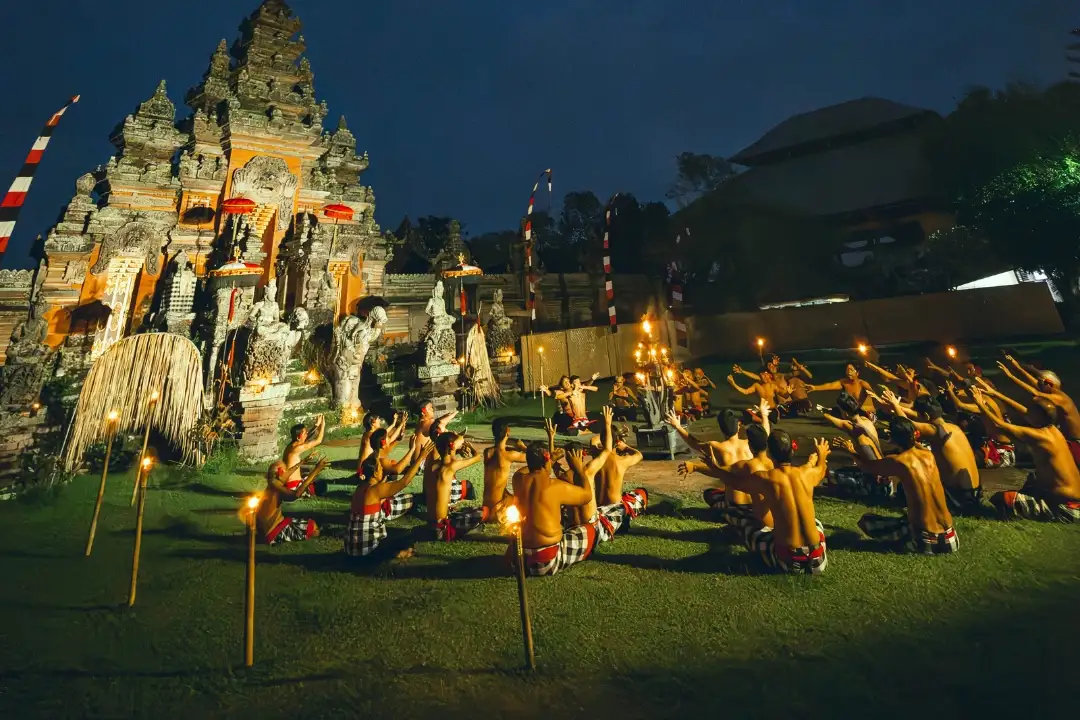
The first Kecak voices change the atmosphere immediately.
A circle of local performers creates a coordinated vocal rhythm without a conventional orchestra. Each voice contributes to a larger pattern that shifts in speed, intensity, and emotion throughout the performance.
This rhythm becomes the foundation of the evening.
It supports dramatic moments, surrounds the Ramayana characters, and draws the audience into the story.
For visitors experiencing Kecak dance Bali for the first time, the sound is unlike the background music found in a restaurant, theatre, or modern entertainment venue.
It is created live through human coordination.
The performers build the atmosphere together, voice by voice.
Inside Puseh Temple Batubulan, the rhythm feels closely connected to the architecture and evening surroundings. The sound fills the temple space, making the audience feel present within the performance rather than separated from it.
This is the kind of memory that cannot be fully captured in a photograph.
A picture may show the circle of performers, but it cannot reproduce the moment their voices rise together or the feeling of hearing the rhythm change around the story.
The sacred rhythm becomes something carried in memory through sound and emotion.
The Ramayana Gives the Night a Story

The Kecak rhythm creates energy, but the Ramayana gives that energy direction.
Characters such as Rama, Sita, Hanuman, Jatayu, and Ravana bring courage, loyalty, sacrifice, devotion, and conflict into the evening.
The story is communicated through costume, movement, expression, and symbolic scenes.
Visitors do not need to know every part of the Ramayana before attending.
The emotional roles of the characters can still be understood visually. Rama represents courage and devotion. Sita brings grace and inner strength. Hanuman adds loyalty, energy, and determination. Jatayu represents sacrifice, while Ravana creates tension and conflict.
These characters give the night a narrative.
Instead of remembering only a sequence of movements, visitors remember moments within a story.
They may recall Hanuman’s energy, the tension created by Ravana, or the emotional direction of Sita and Rama’s journey.
Storytelling transforms the performance into something more personal.
It gives the audience characters to follow, emotions to recognise, and scenes to discuss after the evening ends.
Fire Creates the Moment Everyone Remembers
As the performance develops, fire changes the visual energy of the night.
Bright flames appear against the darker temple surroundings. Movement becomes more intense, while the voices of Kecak continue around the scene.
For many visitors, Fire Dance Bali becomes the most immediately memorable visual moment.
It is dramatic, powerful, and difficult to ignore.
However, the fire is not presented as an isolated attraction.
Its impact comes from everything that has already been created.
The audience has entered the temple atmosphere. The Kecak rhythm has established energy. The Ramayana characters have introduced conflict and emotion.
When fire appears, it feels like a natural turning point within the cultural story.
This connection gives the moment greater meaning.
Visitors may capture the flames in photographs or video, but the emotional memory comes from the complete atmosphere: the sound of the performers, the contrast of fire against the night, the traditional costumes, and the temple architecture surrounding the scene.
Fire becomes more than something visually impressive.
It becomes part of the story of the evening.
Sang Hyang Jaran Adds Sacred Depth
The cultural experience becomes deeper through Sang Hyang Jaran.
Sang Hyang Jaran is a sacred Balinese dance connected to ritual movement, spiritual energy, and traditional meaning.
Its presence changes the atmosphere of the night.
This moment should not be viewed simply as another visual highlight or fire-based attraction. Sang Hyang Jaran carries a sacred character that gives the performance a deeper cultural layer.
Surrounded by Kecak rhythm, fire, local performers, and classic temple ambience, the movement creates a stronger sense of attention and respect.
For international travelers, Sang Hyang Jaran can become an introduction to a side of Bali that is not always visible within a typical holiday itinerary.
It shows that Balinese performance is not created only for entertainment.
It can also carry spiritual values, ritual meaning, and a connection to traditions continued through generations.
This is why the moment often remains emotionally powerful.
Visitors may not understand every cultural detail immediately, but they can still feel the shift in atmosphere. The audience becomes more focused. The relationship between rhythm, movement, and fire feels more intense.
Sang Hyang Jaran gives the night a sacred depth that makes the experience different from a conventional show.
Cultural Experiences Create Stronger Emotional Memories
Travel photographs preserve appearances.
Cultural experiences preserve feelings.
You may remember how the temple looked under the evening light. But you may remember even more clearly how the first Kecak rhythm sounded.
You may remember the movement of the Ramayana characters, the sudden intensity of fire, or the quieter focus surrounding Sang Hyang Jaran.
These memories involve several senses at once.
They are built through sound, movement, atmosphere, visual contrast, and emotional attention.
This is what makes cultural experiences powerful.
They do not only show you something new. They place you inside a moment that belongs specifically to the destination.
A café can be beautiful, but similar spaces may exist in many countries.
A beach sunset can be memorable, but sunsets are experienced around the world.
A Kecak performance inside a classic Balinese temple, surrounded by Ramayana storytelling, fire, and sacred tradition, carries a stronger connection to Bali itself.
It becomes a memory that cannot be separated from the island.
A Different Kind of Bali Souvenir
Travelers often bring home souvenirs to remember their journey.
They may buy clothing, handicrafts, jewellery, photographs, or small objects connected to the places they visited.
However, some of the most valuable souvenirs cannot be packed into luggage.
They are emotional memories.
The rhythm that remains in your mind after the performance ends.
The image of fire against the temple at night.
The expression of a character during the Ramayana story.
The atmosphere surrounding Sang Hyang Jaran.
These memories become part of how you describe Bali when you return home.
Instead of saying only that Bali was beautiful, you can remember how its culture felt.
You can speak about local performers creating rhythm together, stories coming alive through movement, and a temple becoming part of the cultural experience.
That is a different way to carry Bali with you.
Make Your Bali Trip More Than a Collection of Places
Puseh Temple Batubulan offers travelers an opportunity to experience Bali through culture, story, sacred rhythm, and fire.
Located in Batubulan, the temple is relatively easy to include in an evening itinerary after a day of exploring nearby areas.
The performance is held daily from:
18.30–20.00 WITA
Ticket price:
IDR 150,000 per person
Experience Kecak, Ramayana storytelling, Fire Dance, and Sang Hyang Jaran within the classic atmosphere of Puseh Temple Batubulan.
Do not remember your Bali trip only through photographs of beautiful places.
Remember the voices, the story, the fire, and the sacred atmosphere that made the evening feel alive.
Reserve your seat at Puseh Temple Batubulan and create a cultural memory that stays with you long after the journey ends.

