
7 Reasons Puseh Temple Batubulan Feels Different From Other Kecak Shows
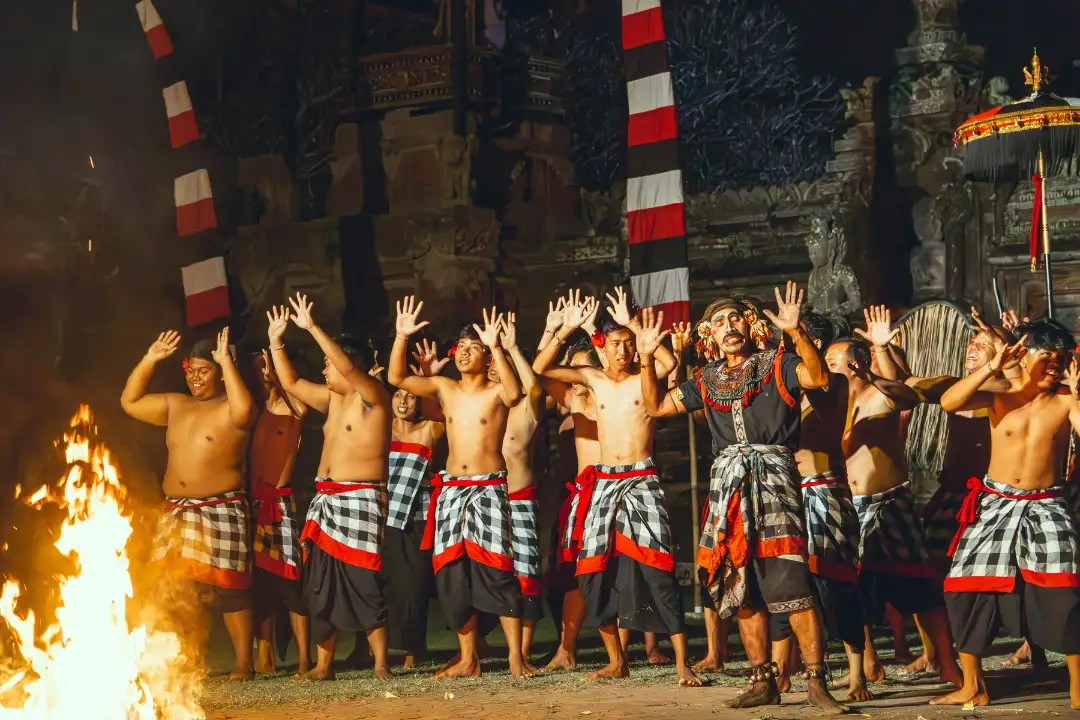
Watching a Kecak performance is often included in a Bali travel plan. The powerful voices, expressive characters, dramatic storytelling, and fire-filled moments make it one of the island’s most recognizable cultural experiences.
However, not every Kecak dance Bali experience feels the same.
At Puseh Temple Batubulan, the performance is shaped not only by what happens in front of the audience, but also by the atmosphere surrounding it. The classic temple architecture, evening ambience, Kecak rhythm, Ramayana story, Fire Dance, and sacred presence of Sang Hyang Jaran come together in one cultural night.
Located in Batubulan Bali, close to the city and several popular travel areas, Puseh Temple offers an accessible evening experience for travelers who want to discover Bali beyond beaches, cafés, and sunset destinations.
Here are seven reasons why Puseh Temple Batubulan feels different from other Kecak performances.
1. The Classic Temple Ambience Shapes the Entire Experience

The strongest difference can be felt before the performance even begins.
Puseh Temple Batubulan is surrounded by the atmosphere of a traditional Balinese temple. Stone carvings, temple gates, classical architecture, and warm evening light create a setting that feels deeply connected to Bali’s cultural heritage.
The temple is not simply used as a background for the performance. It becomes part of the experience itself.
As the evening begins, the temple surroundings influence how visitors perceive the rhythm, movement, story, and energy of the night. The Kecak feels more connected to its cultural setting because it is presented within an environment that already carries a strong Balinese identity.
For travelers searching for a classic temple Bali experience, this atmosphere becomes one of the most important reasons to visit.
Instead of entering a conventional performance venue, visitors step into a cultural space where architecture, tradition, and performance support one another. The setting helps create a more intimate and meaningful feeling throughout the evening.
This is what makes the experience different from a Kecak performance presented as a regular stage show.
2. The Kecak Rhythm Feels More Alive Within the Temple Setting

Kecak is known for its powerful vocal rhythm created by a circle of performers. Without relying on a conventional musical orchestra, the human voice becomes the foundation of the performance.
At Puseh Temple Batubulan, this circle of voices fills the temple atmosphere.
The repeated rhythm builds energy around the characters and scenes of the Ramayana story. It does not simply accompany the performance. It creates the emotional pace of the evening, moving from calm moments into scenes filled with tension, movement, and drama.
Because the performance takes place within a classic Balinese temple ambience, the voices of Kecak feel more naturally connected to the setting. The sound, architecture, expressions, and movement become part of one continuous cultural experience.
Visitors are not only watching the performers from a distance. They are surrounded by rhythm and atmosphere from different sides.
This is why the Kecak at Puseh Temple Batubulan should not be viewed as just another cultural show. The environment gives the iconic rhythm a stronger sense of place.
For anyone searching for a more distinctive Kecak dance Bali experience, the relationship between the Kecak circle and the temple setting becomes a central part of the night.
3. The Ramayana Story Gives Meaning to Every Scene

Behind the rhythm and dramatic visual moments, the performance carries part of the Ramayana story.
Characters such as Rama, Sita, Hanuman, Jatayu, and Ravana bring emotion, conflict, courage, loyalty, and sacrifice into the evening. Their roles are expressed through costume, movement, facial expression, and symbolic scenes.
Visitors do not need to study the complete Ramayana story before attending. The performance introduces its characters and emotional moments in a way that can still be followed and appreciated by international travelers.
Rama represents courage and devotion. Sita brings grace and inner strength. Hanuman enters the story with loyalty and powerful energy. Jatayu represents sacrifice, while Ravana brings conflict and intensity into the performance.
These characters give the Kecak rhythm a narrative purpose.
Instead of watching a series of unrelated dance movements, visitors experience a story unfolding within the temple atmosphere. The relationship between the characters, rhythm, and setting helps make the performance more engaging.
This storytelling element is one reason Puseh Temple Batubulan can be enjoyed by couples, families, solo travelers, cultural travelers, and group tours. Every visitor can connect with the performance through its visual expression, even when they are unfamiliar with the deeper history of the story.
4. Fire Dance Creates a Powerful Visual Highlight
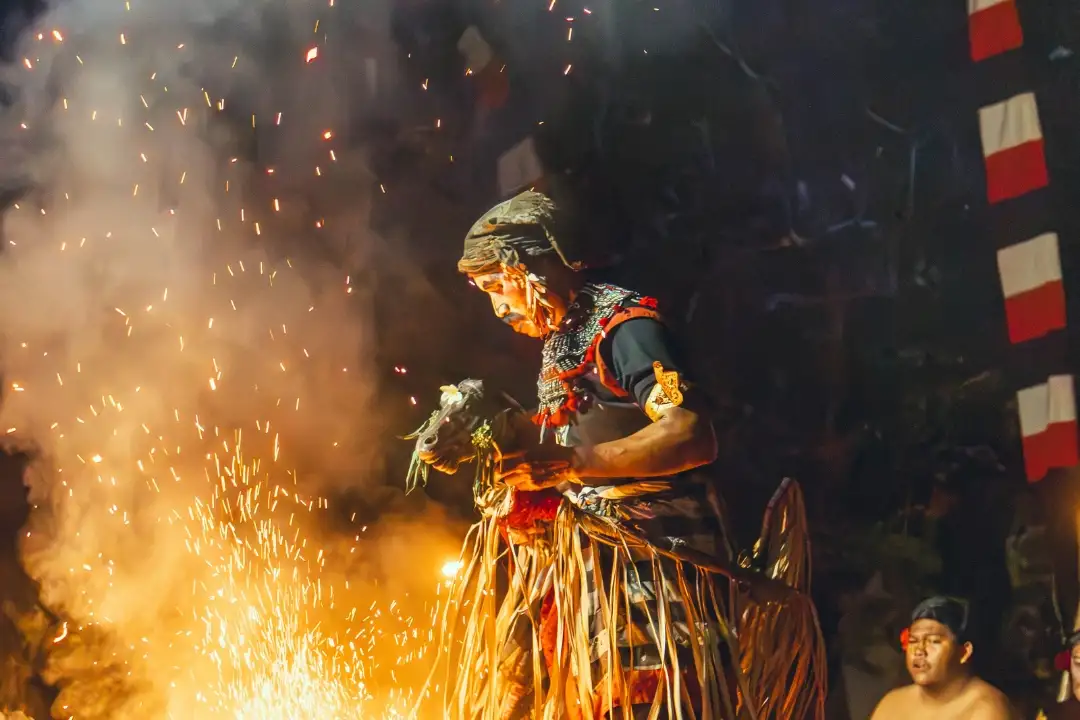
Fire brings a noticeable shift in the atmosphere of the evening.
As the performance develops, the energy becomes stronger and the visual intensity rises. The Fire Dance introduces a dramatic moment that immediately captures attention while remaining connected to the cultural performance.
For many visitors, this becomes one of the most visually memorable parts of the night.
However, Fire Dance Bali at Puseh Temple Batubulan is not presented as a random attraction added only for entertainment. It forms part of a broader evening that includes the Kecak rhythm, Ramayana storytelling, classic temple ambience, and sacred cultural elements.
The fire gains more meaning because of the atmosphere around it.
Surrounded by temple architecture and the voices of local performers, the moment feels connected to the performance rather than separated from it. The contrast between the evening setting, traditional costumes, moving flames, and Kecak circle creates a strong visual scene.
It is dramatic without turning the entire experience into a fire show.
This balance is important. Fire becomes the visual highlight, while the temple ambience and cultural story remain the foundation of the evening.
5. Sang Hyang Jaran Brings a Deeper Sacred Layer

One of the most important elements that distinguishes Puseh Temple Batubulan is Sang Hyang Jaran.
Sang Hyang Jaran is a sacred Balinese dance that brings ritual movement, spiritual energy, and deeper cultural meaning into the performance. Its presence adds another layer to the evening beyond the visual appeal of Kecak and fire.
This part of the performance should not be understood merely as an attraction.
Sang Hyang Jaran is connected to sacred Balinese tradition. The movement, atmosphere, and ritual character of the dance give visitors an opportunity to encounter a deeper side of Bali’s living cultural heritage.
When Sang Hyang Jaran appears together with the Kecak rhythm and fire, the energy of the evening changes. The moment feels more intense, but it also carries a sense of cultural depth that should be approached with respect.
This is one of the clearest reasons Puseh Temple Batubulan feels different from a standard Kecak show.
Visitors do not only receive a visually interesting performance. They encounter several layers of Balinese culture in one evening: the vocal rhythm of Kecak, the Ramayana narrative, the dramatic presence of fire, the sacred meaning of Sang Hyang Jaran, and the atmosphere of a classic temple.
Together, these elements create a more complete cultural performance Bali experience.
6. It Offers a Meaningful Evening Activity Near the City
Many travelers want to experience Balinese culture but do not always want to spend hours traveling to a distant location at night.
Puseh Temple Batubulan offers a practical alternative.
Located in Batubulan, the temple is relatively easy to reach from Denpasar, Sanur, Sukawati, Gianyar, and the travel corridor leading toward Ubud. This makes it convenient for visitors who want to include a cultural performance after completing their daytime activities.
You can explore Bali during the day, return from a tour, take a short break, and continue your evening with a temple-based cultural performance.
This makes Puseh Temple a suitable Bali evening activity for:
- Couples looking for a meaningful night experience
- Families wanting to introduce children to Balinese culture
- Small groups completing a day tour
- Cultural travelers searching beyond common attractions
- Drivers and guides arranging an evening itinerary
- Hotels and villas recommending accessible cultural activities
Its location offers practical convenience without removing the cultural atmosphere that makes the experience special.
Puseh Temple Batubulan feels close enough to include in an evening plan, yet its classic temple setting creates a strong transition from the busy city environment into a more traditional Balinese atmosphere.
7. Kecak, Fire Dance, and Sang Hyang Jaran Come Together in One Night
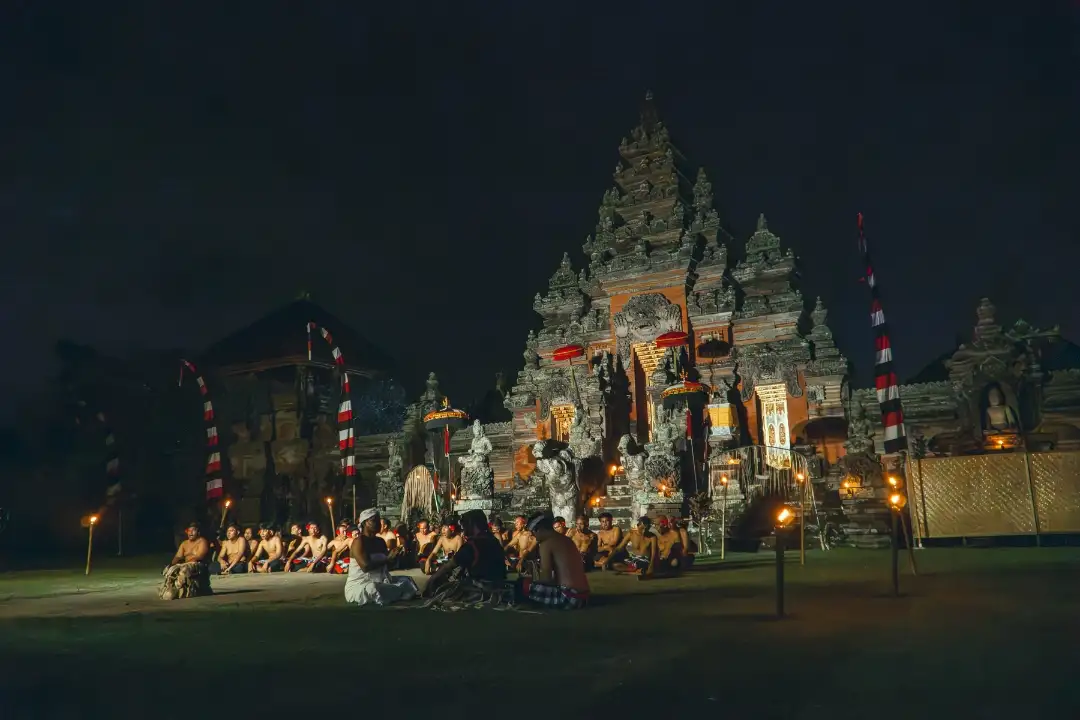
The final difference is the completeness of the experience.
At Puseh Temple Batubulan, visitors do not come only for one visual highlight. The evening is built through several connected elements.
The classic temple ambience establishes the mood. The circle of voices creates the rhythm. The Ramayana characters bring story and emotion. The Fire Dance raises the visual intensity. Sang Hyang Jaran adds sacred energy and cultural depth.
Each element strengthens the others.
Without the temple ambience, the performance would feel different. Without the Kecak rhythm, the story would lose its distinctive energy. Without Ramayana storytelling, the characters and scenes would carry less emotional meaning. Without Sang Hyang Jaran, the evening would lose one of its deepest sacred elements.
This combination is what makes Puseh Temple Batubulan more than another place to watch a performance.
It becomes an evening shaped by story, rhythm, fire, sacred tradition, and temple atmosphere.
Plan Your Cultural Evening at Puseh Temple Batubulan
For travelers who want to experience a different side of Bali after sunset, Puseh Temple Batubulan offers an evening that is both culturally meaningful and easy to include in a travel plan.
The performance is held daily from 18.30 to 20.00 WITA, allowing visitors to enjoy the experience after a day of exploring Bali.
Ticket price:
IDR 150,000 per person
Experience Kecak, Fire Dance, and Sang Hyang Jaran within the classic atmosphere of Puseh Temple Batubulan.
It is not just another Kecak performance. It is a cultural evening where the temple becomes part of the story, the voices create the rhythm, the fire raises the energy, and sacred tradition gives the night deeper meaning.
Reserve your seat and add a different cultural experience to your Bali evening plan.


