
5 Reasons Your Bali Evening Needs More Than Sunset and Cafes
A Bali holiday can easily fall into a familiar rhythm.
Spend the day visiting beaches or waterfalls. Find a sunset spot in the late afternoon. Continue to a popular café, order dinner, take a few photographs, and return to the hotel.
It is comfortable, simple, and easy to plan.
But after several days, the evenings can begin to feel surprisingly similar.
The restaurant may change. The sunset may happen at a different beach. The café may have a new design. Yet the experience often follows the same pattern.
Bali has much more to offer after sunset.
Beyond restaurants, beach clubs, and cafés, the island carries a living culture expressed through temples, traditional stories, local performers, sacred movement, rhythm, and fire.
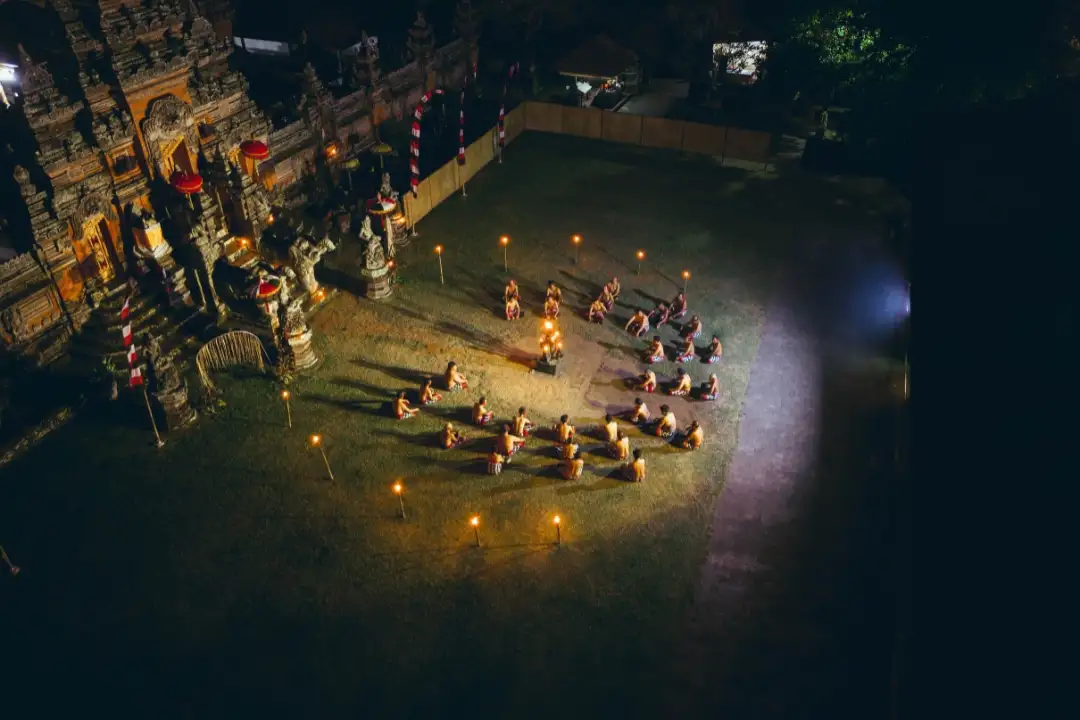
At Puseh Temple Batubulan, visitors can experience Kecak, Fire Dance, and Sang Hyang Jaran within the atmosphere of a classic Balinese temple. Located in Batubulan, relatively close to the city, the performance can be added easily to an evening plan after a day of exploring.
For travelers searching for a more meaningful Bali evening activity, here are five reasons your itinerary deserves more than another sunset and café visit.
1. Beautiful Views Are Memorable but Culture Gives the Evening a Story
Bali sunsets deserve their reputation.
The changing colors, ocean horizon, silhouettes, and warm evening light can create a beautiful end to the day. A café afterward may give you time to relax and talk about where you have been.
However, a sunset is something you observe.
A cultural performance gives you a story to follow.
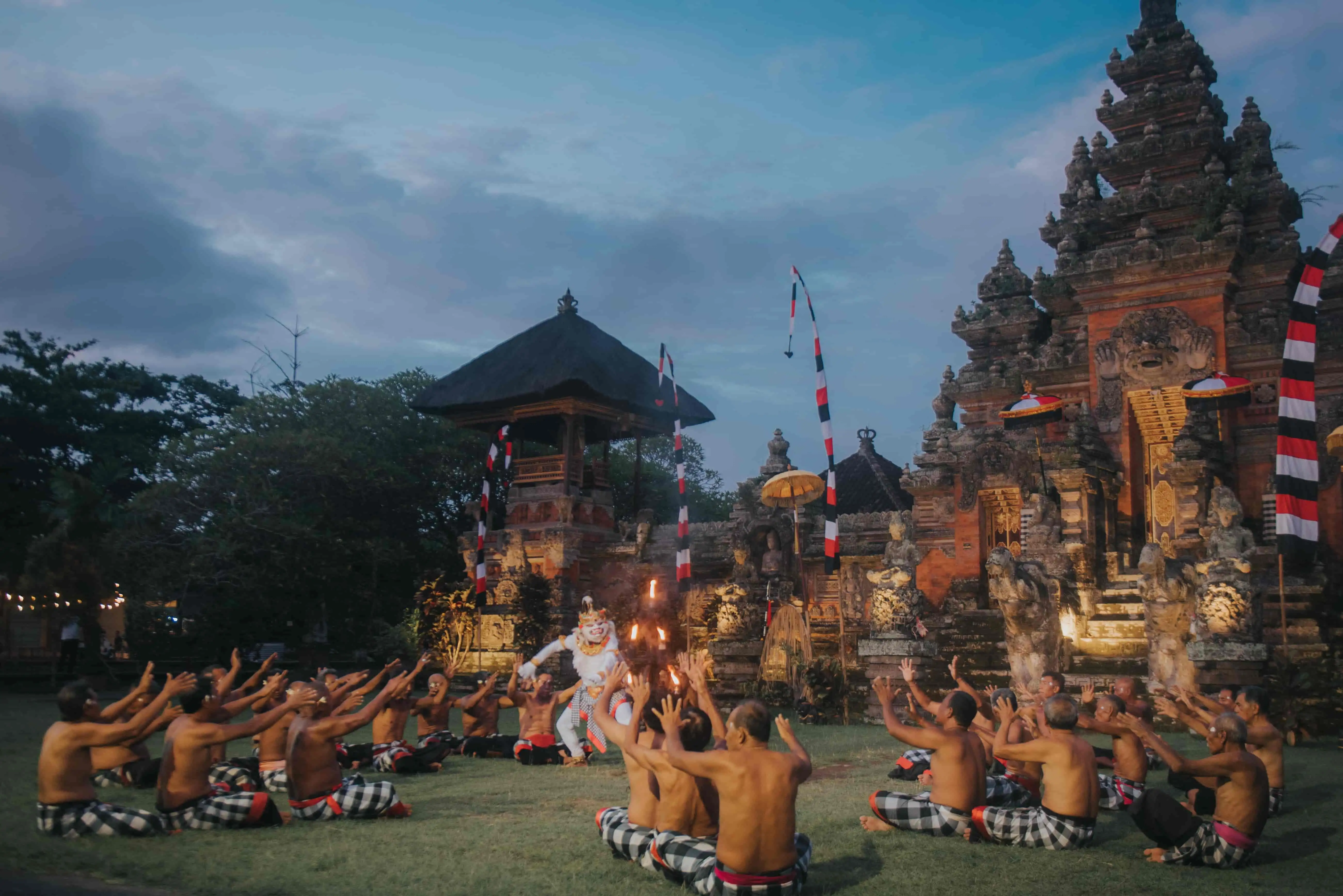
At Puseh Temple Batubulan, the evening develops through several connected moments. Visitors enter a classic temple atmosphere, hear the first Kecak rhythm rise from a circle of local performers, follow characters from the Ramayana, experience the intensity of fire, and encounter the sacred presence of Sang Hyang Jaran.
The night has a beginning, emotional development, visual climax, and meaningful conclusion.
That structure creates a different kind of travel memory.
You may remember that a sunset was beautiful, but a cultural night gives you specific moments to recall: the sound of voices filling the temple, the expression of Hanuman, fire against the darker surroundings, or the audience becoming silent during a sacred scene.
This is why a Bali cultural night can stay in your memory differently from another evening built around food and a view.
It gives the night a narrative.
2. A Classic Temple Atmosphere Feels Different After Dark
Many travelers visit temples during the day.
They walk through the grounds, admire traditional architecture, take photographs, and continue to the next location on their Bali itinerary.
A temple after sunset creates a different feeling.
At Puseh Temple Batubulan, traditional stone carvings, classic gates, temple structures, and warm evening light shape the atmosphere before the performance begins.
The temple is not merely a background behind the performers.
It becomes part of the experience.
The surroundings influence how visitors receive every element of the night. The Kecak rhythm feels more connected to place. The Ramayana characters appear within an environment shaped by Balinese architecture. Fire creates a stronger contrast against the darker temple setting, while sacred movement carries more emotional weight.
This temple ambience cannot be replaced by a decorative stage.
It creates a sense of entering a cultural space rather than attending ordinary entertainment.
For tourists whose itinerary has mainly included restaurants, beaches, and scenic stops, this shift in atmosphere can become one of the most distinctive moments of the trip.
You are still close to the city, but the experience feels removed from the usual holiday routine.
The temple setting creates room for attention, curiosity, and a deeper connection with Bali’s cultural identity.
3. The Kecak Rhythm Gives You Something You Cannot Experience in a Café
A café can create a mood through music, design, lighting, and food.
Kecak creates energy through people.
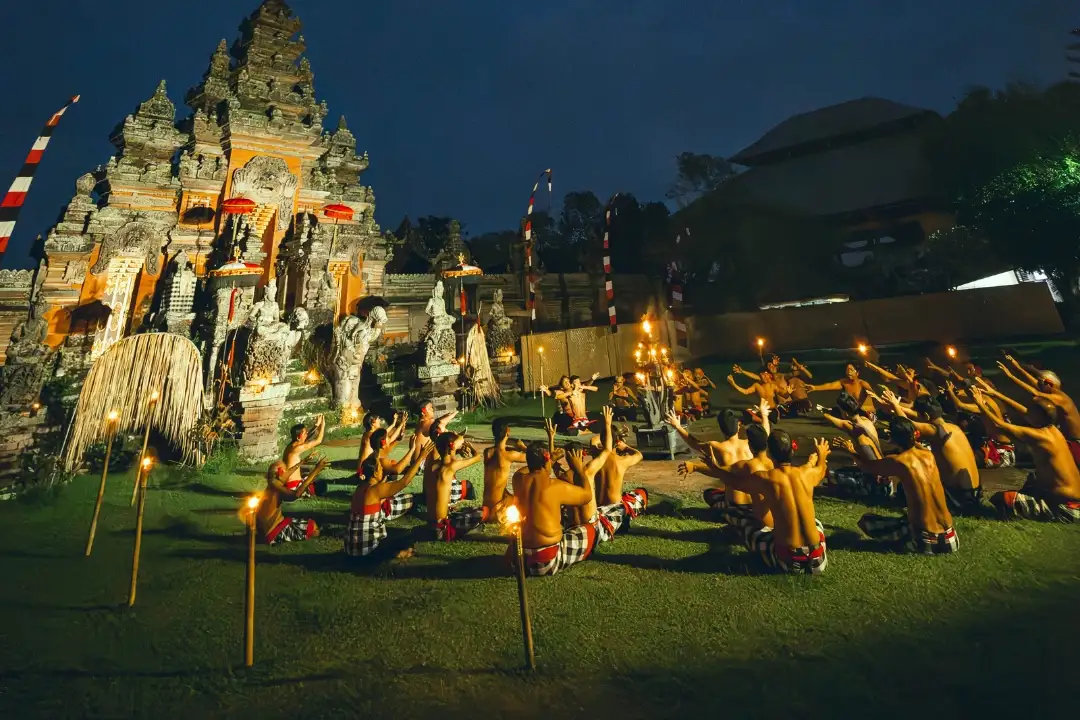
A circle of local performers produces a coordinated rhythm using human voices. There is no conventional orchestra leading the performance. The voices become the foundation of the evening.
The rhythm begins collectively and changes throughout the story.
It can become steady, intense, dramatic, or fast-moving, depending on the characters and scenes unfolding within the circle.
For visitors attending a Kecak dance Bali experience for the first time, the sound is immediately distinctive.
At Puseh Temple Batubulan, the temple atmosphere makes it feel even stronger.
The rhythm fills the cultural space and surrounds the Ramayana characters. Visitors do not simply listen to sound coming from a stage. They experience the collective voices of local performers building energy in front of them.
This human element is important.
Every voice contributes to the rhythm. Every performer depends on the coordination of the group. The atmosphere is created live, without relying on elaborate effects to make the moment feel powerful.
It offers something that cannot be recreated by a playlist, background music, or another designed dining space.
The Kecak rhythm becomes the heartbeat of the night.
It draws the audience away from casual conversation and into the performance.
4. Fire Dance and Sang Hyang Jaran Create Moments With Real Emotional Weight
Fire is often the first visual element that captures attention.
As it enters the performance, the atmosphere immediately changes. Flames stand out against the dark temple surroundings, movement becomes more intense, and the Kecak rhythm continues to build around the scene.
The Fire Dance becomes one of the strongest visual highlights of the evening.
However, it is not included only to create a dramatic photograph or short social media video.
At Puseh Temple Batubulan, fire remains connected to the cultural atmosphere, Ramayana storytelling, local performers, and sacred tradition.
Its impact comes from everything that has already happened.
The audience has entered the temple, listened to the Kecak rhythm, and followed the characters. When fire appears, it feels like a turning point in the story rather than an isolated attraction.
The presence of Sang Hyang Jaran gives the evening an even deeper layer.
Sang Hyang Jaran is a sacred Balinese dance connected to ritual movement, spiritual energy, and cultural meaning. It should not be reduced to a visual gimmick or described in an overly mysterious way.
Its strength comes from the atmosphere it creates.
Surrounded by the Kecak rhythm, fire, local performers, and classic temple setting, Sang Hyang Jaran changes the emotional tone of the evening. The moment encourages visitors to pay closer attention and understand that Balinese performance can carry meaning beyond entertainment.
Together, Fire Dance and Sang Hyang Jaran create a balance between visual intensity and sacred cultural depth.
One captures attention through fire and movement. The other invites a more respectful understanding of Bali’s living traditions.
These are the kinds of moments travelers rarely find in a basic evening plan.
5. Cultural Memories Often Outlast Trendy Places
Bali has no shortage of attractive cafés.
New venues open regularly, each offering distinctive interiors, menus, views, or social media-friendly corners. Visiting them can be enjoyable, especially when you want a relaxed evening.
But travel memories are not always shaped by the places that looked the most fashionable.
They are often shaped by the moments that felt unfamiliar, emotional, or connected to the destination.
A cultural evening at Puseh Temple Batubulan gives visitors an experience that belongs specifically to Bali.
The temple architecture, Kecak rhythm, Ramayana characters, Fire Dance, and Sang Hyang Jaran are not interchangeable with experiences found in any other holiday destination.
They are connected to Bali’s heritage.
Long after the trip, you may not remember exactly what you ordered at a café. You may forget the name of a restaurant or which sunset photograph came from which beach.
But you may still remember how the Kecak voices sounded inside the temple.
You may remember the contrast of fire against the night, the expressions of the performers, or the change in atmosphere when Sang Hyang Jaran became part of the evening.
These emotional memories are one of the strongest reasons to make space for culture in your itinerary.
A trip feels more complete when it includes not only beautiful places, but also the stories, people, and traditions that give those places their identity.
Your Evening Does Not Have to Choose Between Dinner and Culture
Adding a cultural performance does not mean removing dinner from your plan.
It simply means making the evening more complete.
The performance at Puseh Temple Batubulan runs daily from 18.30 to 20.00 WITA, making it possible to arrange dinner before or after the show.
You can enjoy an early meal, continue to the temple, and end the night after the performance.
Another option is to attend the cultural evening first, then have dinner while discussing the most memorable moments.
Puseh Temple Batubulan can also become the final stop after a daytime journey around Ubud, Gianyar, Sukawati, Sanur, or nearby areas.
Its location in Batubulan makes it relatively easy to include without creating a long and complicated evening journey.
This flexibility makes it suitable for couples, families, small groups, solo travelers, drivers, guides, and hotels planning an accessible cultural experience near the city.
Make Space for the Bali You Cannot Find in a Café
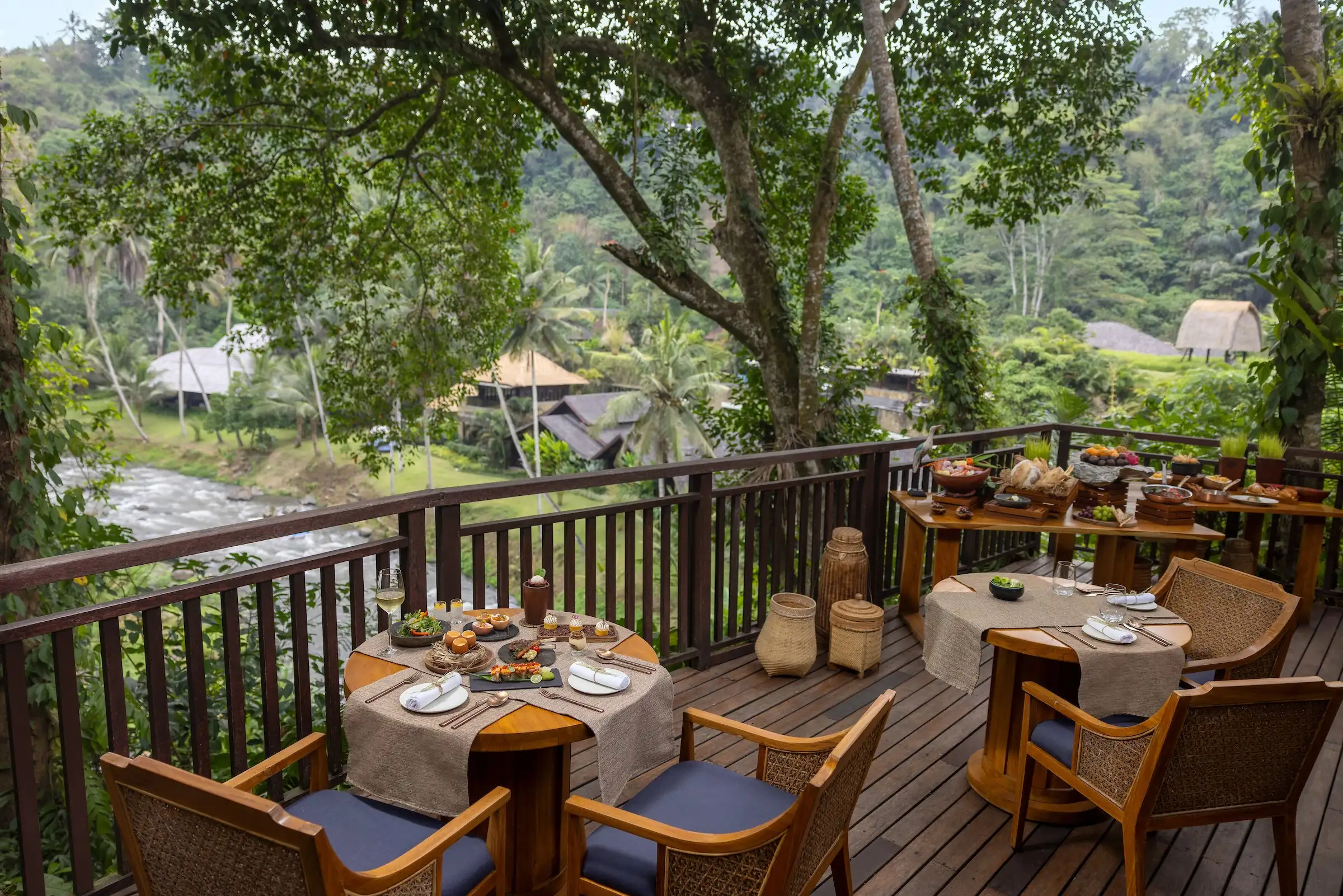
Sunsets, restaurants, and cafés can still be part of a good Bali holiday.
They simply should not become the only way you spend every evening.
Bali is an island of living heritage, sacred spaces, inherited stories, local performance, and community tradition. Experiencing this side of the island can transform an ordinary night into one of the most meaningful parts of your journey.
At Puseh Temple Batubulan, the classic temple ambience creates the setting. The voices of Kecak build the rhythm. The Ramayana brings story and emotion. Fire changes the visual energy, while Sang Hyang Jaran adds sacred cultural depth.
Daily Performance
18.30–20.00 WITA
Ticket Price
IDR 150,000 per person
Do not return home with an itinerary made only of beautiful views and trendy places.
Reserve your seat at Puseh Temple Batubulan and give your Bali evening a story worth remembering.


